

Back like we never left! Thanks for joining us for week 3 of celebrating Black History Month with November Project Philadelphia! If you haven’t read the first couple of posts in this series about Harriet Tubman and Octavius Catto or the Christian Street YMCA , we highly encourage for you to check them out, either before or after you read this. Each week this February we have been encouraging readers like you to participate in a scavenger hunt to explore and connect with historical places commemorating and acknowledging the contributions of African Americans in Philadelphia’s history. Each week we have identified people or places for you to learn more information about, and this week we will be talking about Julian Abele and his contributions to the very land we, November Project Philly, have been calling home for over 8 years.
Julian Francis Abele
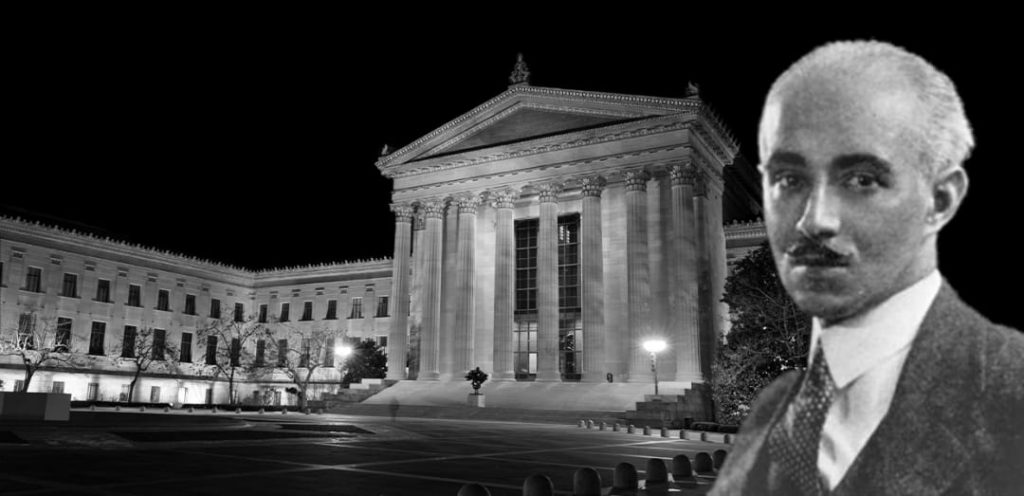
A well-known Philadelphia architectural designer, Julian Abele was educated at the Institute for Colored Youth, Brown Prep School and the Philadelphia Museum School of Industrial Art before enrolling at the University of Pennsylvania in 1898. Just 4 years later, Abele became the first black graduate of the Department of Architecture at the University of Pennsylvania in 1902. An outstanding student, Abele received a number of prizes during his undergraduate years at Penn, including first prize in competition for the Library Tablet to commemorate alumni gifts, first prize in competition for the Conklin Memorial Gateway at Haverford College, first mention from the Beaux Arts Society, the Arthur Spayde Brooke Memorial Prize and the T-Square Club Prize. During his senior year, Abele served on the student yearbook committee and as president of the Architectural Society.
These achievements, along with his graduation, were all the more noteworthy for the restrictions Black people faced at the university, including not being able to live in dormitories or dine in the school’s cafeteria. Julian Abele went on to contribute to the design of over 400 buildings working with the Horace Trumbauer firm, the only firm he would work for his entire professional life. In 1909 Abele advanced to the position of chief designer at the large nationally known firm, and eventually took over the office after Trumbauer’s death in 1938. All that said, it has been difficult for historians to pinpoint exactly which designs Abele had a hand in, because he had a policy of not signing blueprints and designs. Some of the designs credited to Abele are:
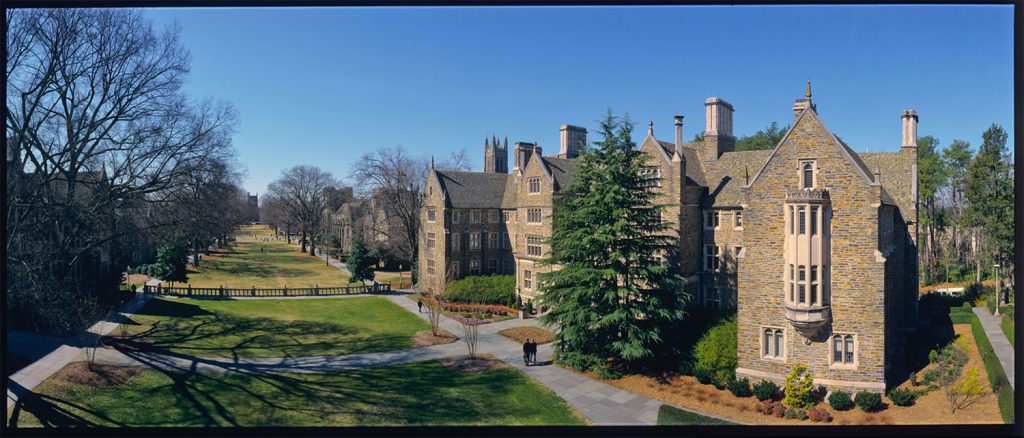
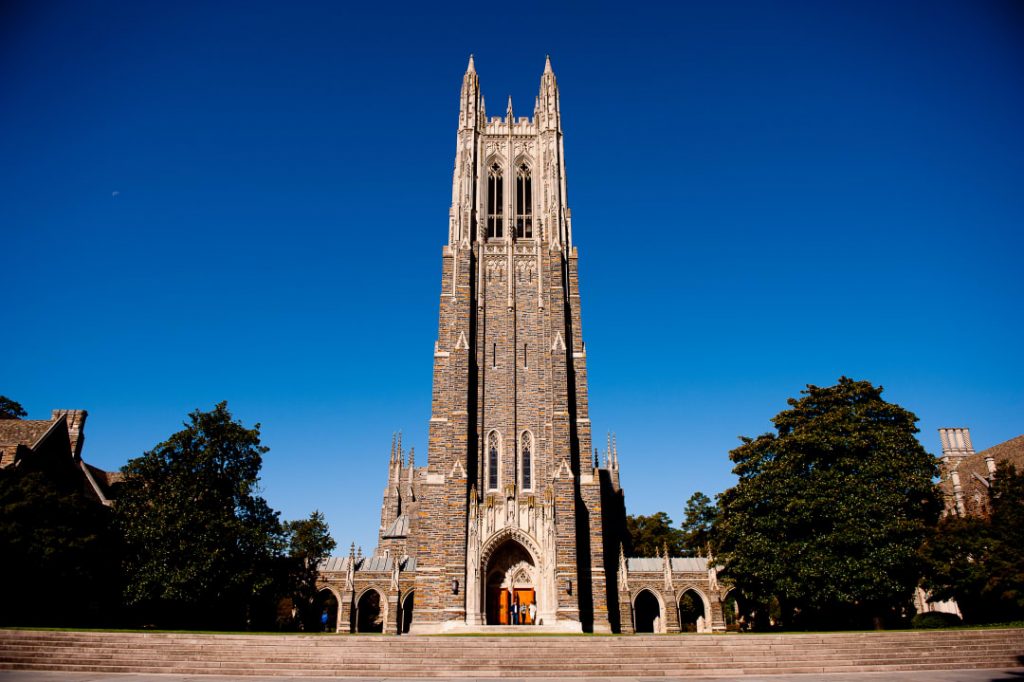
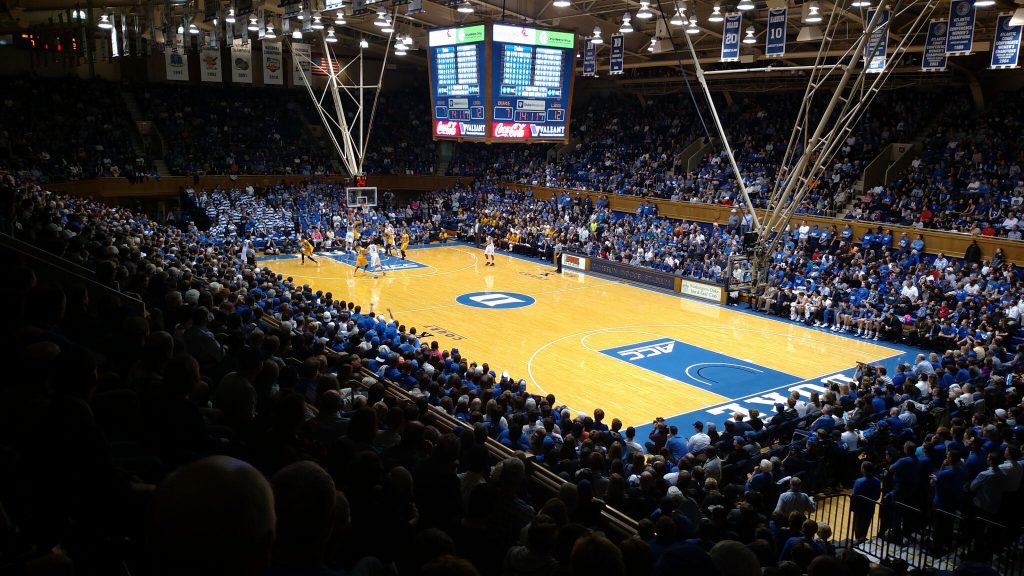
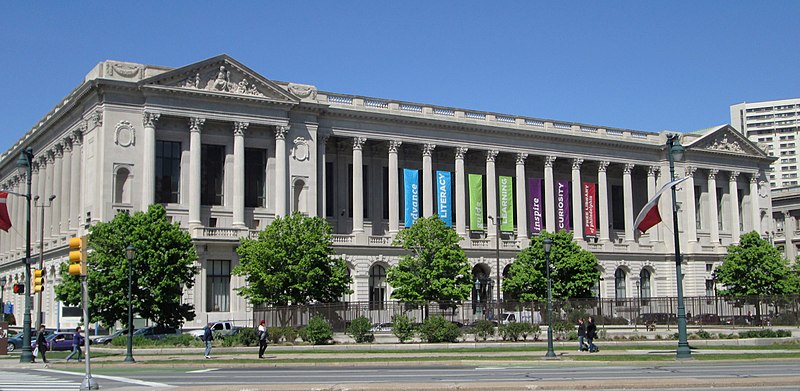
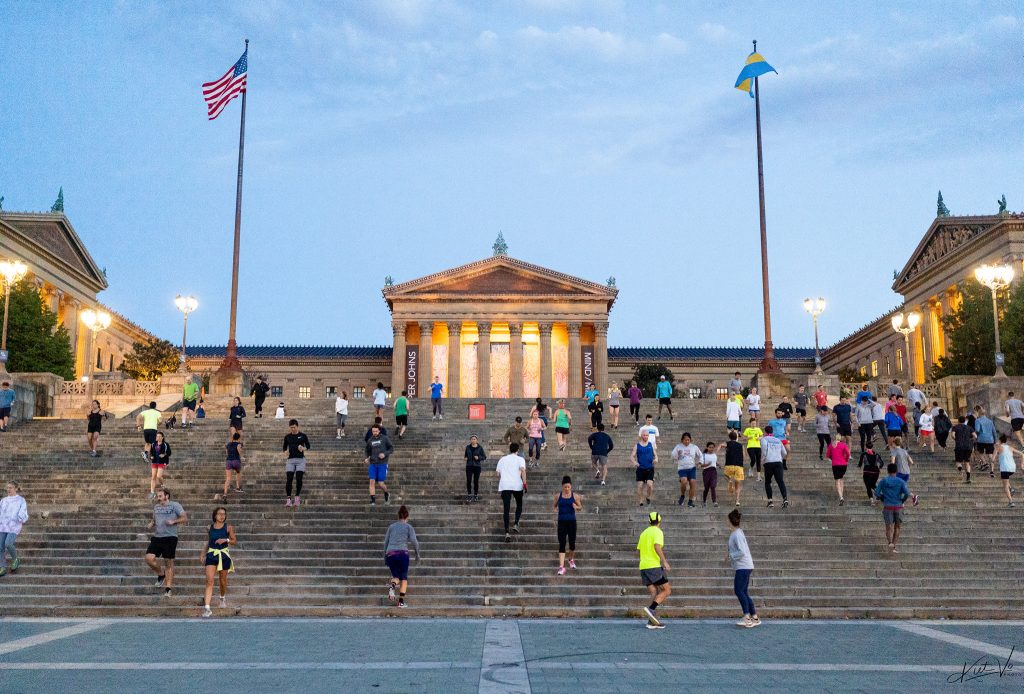
If they weren’t already iconic enough, we would love for you to join us at the Art Museum Steps for a workout at 6:25am on Wednesday mornings. In addition to the locations above, checkout this Google Sheet for other individuals and/or locations significant to Black History Philadelphia reference, research and commemoration. We would love to see where you go on your journey, so when you visit a location commemorating black history, especially if it is our beloved Art Museum Steps <3, either tag us @NovemberProjectPhilly in your post with the #BlackHistoryPhilly so we can reshare, OR post your picture(s) to our Social Page along with new facts you may have learned! We hope you enjoy your journey through black history and are so thankful for you being here.
Information from this post and more can be found at the following sources:
UPenn Archives and Records Center, Duke University Spotlight, The American Institute of Architects
Share via socials:


